

 See My Latest Article on HelloNation
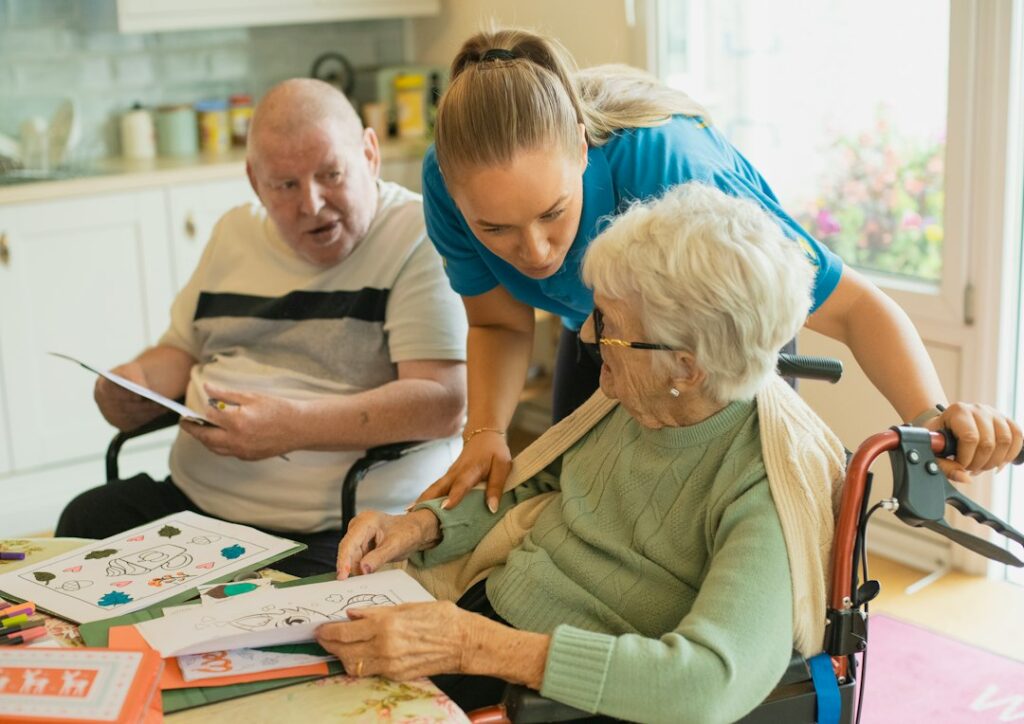
What is the difference between companion care and personal care?
Companion care focuses on social connection, supervision, and help with everyday activities. Personal care includes hands-on assistance with private daily routines such as bathing, dressing, grooming, and using the restroom.
Both types of home care are non-medical and may help a person remain comfortable and engaged in familiar surroundings. The main difference is the level and type of assistance needed.
What does companion care include?
Companion care is generally intended for people who can manage most personal routines but benefit from conversation, reminders, supervision, or practical help around the home.
Typical companion care tasks may include:
- Conversation, reading, games, hobbies, or other social activities
- Accompanying someone on a walk or to a local appointment
- Preparing simple meals and encouraging regular eating and hydration
- Light tidying in areas used by the person receiving care
- Laundry and changing bed linens
- Assistance with shopping, errands, or organizing household items
- Reminders about daily routines
- Monitoring for safety concerns and communicating observations to family members
- Providing company when a family caregiver needs time away
Companion care does not necessarily involve physical assistance with bathing, toileting, dressing, or other intimate routines. A person may need this type of support because of loneliness, reduced confidence, memory changes, limited transportation, or difficulty managing a home alone.
For example, an older adult who dresses and bathes independently but no longer feels comfortable preparing meals or going out alone may benefit from companion care.
What does personal care include?
Personal care involves direct assistance with activities related to personal hygiene, dressing, and basic daily functioning. It is often appropriate when a person needs another individual nearby to provide physical support, step-by-step guidance, or help with tasks that are difficult to complete independently.
Personal care may include:
- Bathing or showering assistance
- Hair care, oral care, shaving, and other grooming
- Choosing clothing and getting dressed
- Undressing and changing clothes
- Assistance with using the restroom
- Help with moving safely between a bed, chair, and standing position
- Assistance with walking around the home
- Meal preparation and help with eating, when appropriate
- Changing bedding or clothing after an accident
- Positioning personal items within easy reach
Personal care is more hands-on than companion care. It may be needed after a change in strength, balance, memory, or confidence, or when routine tasks have become increasingly difficult.
For example, a person may enjoy conversation and prepare simple snacks independently but need help stepping into a shower, fastening clothing, or walking safely to the restroom.
Can someone receive both types of care?
Yes. Companion care and personal care are often combined because a person’s needs may vary throughout the day.
A typical visit might include help with getting dressed in the morning, followed by breakfast preparation, conversation, laundry, and a short walk. Another visit could involve assistance with evening hygiene, changing into sleepwear, and companionship afterward.
The purpose is not to place someone permanently into one category. A person may need mostly companion care with occasional personal assistance, while another may require hands-on support during morning and evening routines but prefer independence during the rest of the day.
Needs can also change over time. A family may begin with social support and light household help, then add personal care if dressing, bathing, or mobility becomes more challenging.
How can families tell which type of care may be appropriate?
Start by looking at what the person can do safely and consistently without assistance. A simple checklist can help identify the difference between social support and hands-on help.
Companion care may be a reasonable fit when a person:
- Is physically able to manage personal hygiene
- Can dress and use the restroom without direct assistance
- Needs conversation or supervision during the day
- Has difficulty with errands, meals, housekeeping, or transportation
- Feels isolated or less confident leaving home alone

Personal care may be needed when a person:
- Needs help getting in or out of the shower
- Has difficulty putting on clothing or managing fasteners
- Requires assistance with toileting or hygiene
- Is unsteady while walking or changing positions
- Needs another person nearby to complete routine tasks safely
Families should consider not only what a person can do once, but what can be done safely every day. Fatigue, heat, poor lighting, clutter, and changes in routine can affect how easily someone manages at home.
What local conditions can affect home care needs?
In Winter Haven, warm weather and strong sun can make outdoor activities tiring, particularly during the hottest part of the day. Companion care may help someone stay socially active while planning walks, errands, or outdoor time for cooler hours.
Homes may also differ considerably. Some residents live in single-story houses, while others manage stairs, narrow hallways, or separate sleeping areas. These details can affect whether a person needs only reminders and company or requires hands-on support moving through the home.
Seasonal visitors and changing household schedules may also affect family availability. A person who has regular help during one part of the year may need additional companionship or assistance when relatives are traveling or working longer hours.
A home safety review can include practical considerations such as:
- Clear pathways between the bedroom, bathroom, kitchen, and living areas
- Adequate lighting, especially near stairs and bathrooms
- Frequently used items stored at reachable heights
- Non-slip surfaces in areas that may become wet
- A reliable way to communicate with family members
What should families understand about non-medical home care agencies?
A non-medical home care agency typically hires, vets, and background-checks caregivers before matching them with families based on needs, schedules, and preferences. The agency may coordinate companion care, personal care, or a combination of both.
Families should clearly describe the assistance needed, including personal routines, mobility concerns, preferred schedules, household expectations, and any changes that have occurred recently. Clear information helps distinguish between a visit centered on companionship and one requiring hands-on personal support.
It is also useful to ask how changes in needs are documented, how schedule adjustments are handled, and how concerns are communicated to designated family members.
Does personal care mean a person has lost all independence?
No. Personal care is intended to support the tasks a person cannot complete safely or comfortably alone while allowing independence wherever possible.
Someone receiving personal care may still choose clothing, decide what to eat, participate in hobbies, manage personal conversations, and make everyday decisions. Assistance with one private task does not define a person’s overall abilities.
The most useful distinction is practical: companion care provides presence and everyday support, while personal care provides direct assistance with personal routines. Many households use both as needs change, with the goal of preserving safety, dignity, choice, and connection at home.