

 See My Latest Article on HelloNation
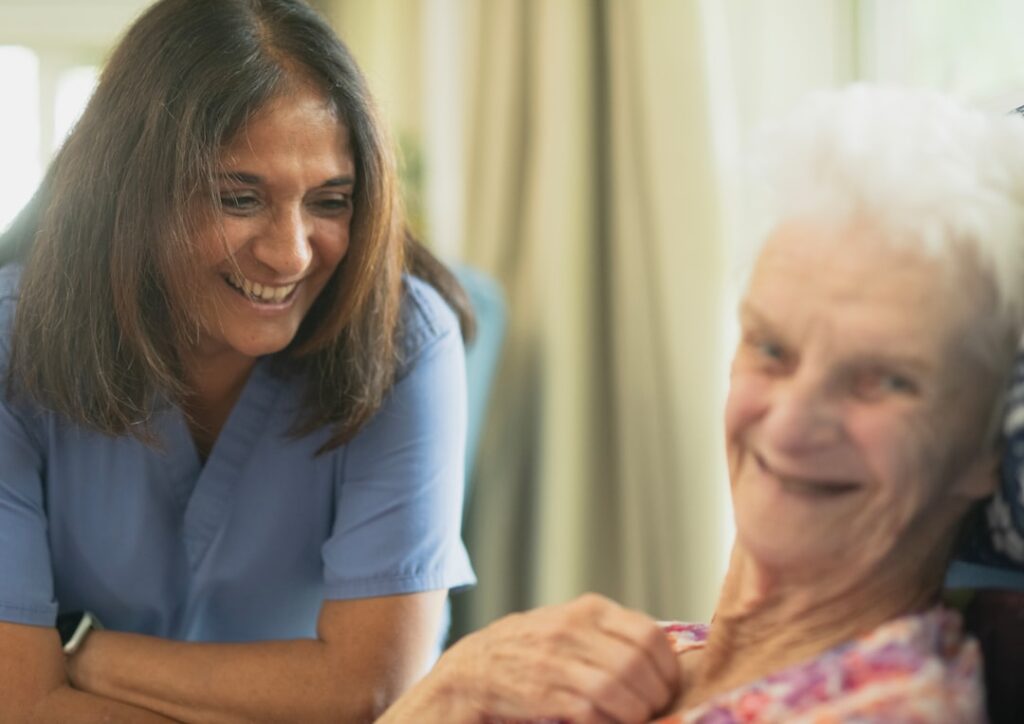
How Does Home Care Enable Independent Living?
Home care is designed to give older adults extra help with daily routines so they can continue living in their own homes. For many in Winter Haven, home care means assistance with personal care, meal preparation, household tasks, and companionship—without any medical or nursing procedures. By providing just the right amount of support, home care can help residents confidently manage the challenges of aging while avoiding unnecessary moves to assisted living or other group settings.
Rather than taking over, home care aims to encourage independence—filling in gaps and allowing older adults to remain in control of their daily lives.
What Types of Help Does Home Care Provide?
Home care services are focused on non-medical support, tailored to individual needs and preferences. In practice, this support can include:
- Help with bathing, dressing, and grooming routines
- Meal planning and safe food preparation
- Light housekeeping, organizing, and laundry
- Support with errands, such as grocery shopping or picking up prescriptions
- Companionship for conversation or shared activities
- Accompaniment to community events, parks, or houses of worship
In Winter Haven, many residents appreciate help with home safety during the region’s heat, humidity, and summer storms—simple things like staying hydrated, keeping walkways clear, and adjusting air conditioning.
Who Benefits Most from Non-Medical Home Care?
Home care is especially helpful for people who are still active but need some reliable, respectful help to remain safe and comfortable:
- Older adults recovering from illness or surgery, once medical care is no longer needed
- Individuals dealing with limited mobility, vision changes, or memory lapses
- Those who wish to avoid driving but still want to get out and about in the community
- Local family members who need peace of mind that loved ones are supported
Area households may also turn to home care after changes such as loss of a spouse, new health challenges, or a recent fall.
Can Home Care Help Prevent Accidents and Hospitalizations?
Yes—home care can reduce preventable risks that are common in later life. Many falls, household accidents, and health setbacks in older adults are linked to missed meals, medication confusion, dehydration, or trying to do tasks that have become unsafe alone.
By providing consistent, familiar assistance:
- Nutrition and hydration are maintained, even for those with little appetite or dietary restrictions.
- Households stay tidier, reducing risks of trips or accidents.
- Caregivers can notice changes in mood, confusion, or physical condition quickly, so families can step in early if needed.
- Assistance with transportation means fewer injuries from driving or walking long distances, especially during the summer heat or rainy season in Winter Haven.
How Is Home Care Different from Medical or Skilled Care?

Non-medical home care focuses on day-to-day living—never on medical procedures or health treatments. Home care assistants are not nurses, and they do not give medications, shots, perform wound care, or manage chronic conditions. Instead, they offer everyday help and companionship, so adults can keep doing what is meaningful to them while letting go of tasks that have become too difficult or risky.
How Does Home Care Respect Independence and Autonomy?
The best home care plans are built around what the individual wants and needs. Older adults are always in charge of their routines—caregivers adapt to their preferences for meals, schedules, and activities, not the other way around. Residents set the pace for morning routines, choose how to spend their days, and make their own decisions about visitors or outings.
This approach allows older adults to maintain dignity, choice, and pride in their own abilities, even as their circumstances change.
What Should Families in Winter Haven Consider When Exploring Home Care?
Every person’s needs and household are unique, but these local factors often play into the decision:
- The size and layout of a typical single-family home or condo in the community
- The local climate—homes need to be safe and livable through heat waves and summer storms
- Proximity to essential stores, parks, houses of worship, and community resources
- Seasonal challenges, such as hurricane season preparation or adapting routines to Florida’s weather
It’s common for Winter Haven families to start with a few hours a week and adapt as routines change, focusing first on safety, meal support, and help with driving or errands.
Are There Common Misconceptions About Home Care?
Yes, several myths persist:
- Home care is only for people who are “very old” or “very frail”—in reality, people use home care at all stages of aging.
- Home care means losing independence—done well, it preserves autonomy and keeps people active.
- Family must handle everything themselves—many local households find that a blend of support is healthiest for everyone involved.
By understanding what home care actually provides, the community can make more confident decisions for themselves and their loved ones.